Exterior Painting Problems Caused by Kansas City Weather

Exterior painting in Kansas City has to withstand hot summers, high humidity, severe storms, freezing temperatures, and frequent seasonal changes. Over time, those conditions can contribute to fading, peeling, cracking, and blistering. Some changes are mostly cosmetic, while others signal that the coating is losing its ability to protect the surface underneath.
Knowing what these warning signs mean can help you address paint deterioration before exposed siding or trim faces further weather damage.
Why Kansas City Weather Is Tough on Exterior Paint
Exterior paint is continually exposed to sunlight, moisture, and temperature changes. As conditions shift from season to season, painted surfaces and the materials beneath them naturally expand and contract.
Kansas City homes experience both intense summer conditions and winter freezes. Repeated exposure can put additional stress on an aging coating, especially when the existing finish has already begun to deteriorate.
Sun exposure also varies around the home. South- and west-facing elevations often receive stronger sunlight, so fading or weathering may become noticeable there before it appears on more protected areas.
K&L Precision Painting serves Lee’s Summit and the greater Kansas City area, helping homeowners evaluate exterior surfaces and determine when repainting is appropriate.
Which Exterior Paint Problems Should You Watch For?
Paint failure does not always begin with large sections peeling away. Early warning signs may appear around siding, trim, joints, windows, doors, or areas that receive heavier weather exposure.
Peeling or Flaking Paint
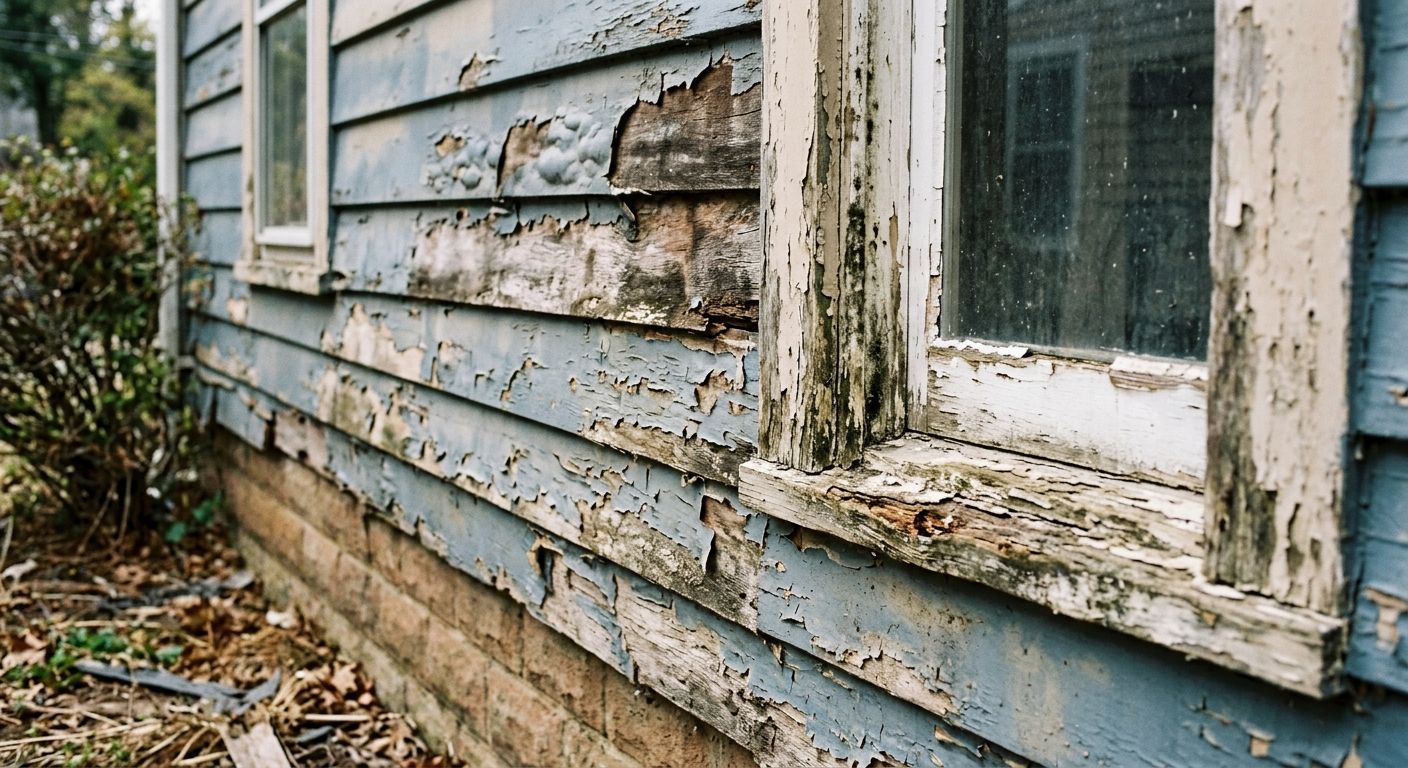
Peeling occurs when the coating loses adhesion to the surface beneath it. Aging paint, moisture, prolonged weather exposure, or problems with a previous application can contribute.
Once paint is loose, covering it with another coat does not restore the failed bond underneath. The unstable material needs attention before the surface is repainted.
Bubbling or Blistering
Blisters look like raised bubbles beneath the painted surface. Heat and trapped moisture are common factors.
A recurring blister is more than an appearance issue. If the cause is not identified, applying another coat may hide the problem temporarily without preventing it from returning.
Cracking or Splitting
Small cracks can develop as exterior coatings age. When cracks spread, open, or appear alongside peeling and deteriorated caulk, the finish may no longer be providing consistent coverage.
Fading and Uneven Color
Direct sunlight gradually affects exterior color. Fading alone is often a cosmetic concern rather than evidence of coating failure.
The distinction matters. A faded wall that remains intact is different from one showing fading along with peeling, cracking, blistering, or exposed material.
How Do Rain and Humidity Affect Exterior Paint?
Moisture becomes more concerning when the protective coating already has weak points.
Peeling edges, deteriorated caulk, cracks, and exposed areas can leave exterior materials more vulnerable during periods of rain and humidity. Pay particular attention to trim joints, siding transitions, and areas around windows and doors where deterioration may first become noticeable.
When paint failure appears across several areas rather than one isolated spot, professional exterior painting may be more appropriate than repeatedly touching up individual sections.
What Should You Check After Winter?
Winter does not automatically damage a sound exterior coating. However, moisture combined with repeated freezing and thawing can add stress to areas that are already deteriorating.
When warmer weather returns, inspect your exterior for:
- Peeling or lifting edges
- Cracked or separating caulk
- Exposed wood or other substrate
- New or recurring blisters
- Cracks that appear to be spreading
- Several types of deterioration in the same area
These signs can help you identify active coating problems before they become more extensive.
When Does Exterior Paint Need Professional Attention?
Not every weathered surface requires immediate repainting. The type and extent of deterioration are more useful indicators than appearance alone.
Minor fading with an otherwise intact coating may simply be cosmetic. Peeling across multiple areas, recurring blistering, spreading cracks, exposed substrate, or several symptoms occurring together point to a more significant coating problem.
At that stage, a Kansas City exterior painter can evaluate the existing finish and underlying surfaces before recommending the appropriate next step.
FAQs About Kansas City Exterior Paint Problems
Can Kansas City Summers Damage Exterior Paint?
Heat, sunlight, and humidity can contribute to fading and coating stress. Surface exposure, previous preparation, coating quality, and existing condition also affect how an exterior finish performs.
Can You Paint Over Peeling Exterior Paint?
Loose or failing paint should be addressed before a new coating is applied. Painting directly over unstable material does not correct the loss of adhesion underneath.
Does Faded Paint Mean the Exterior Is Failing?
Not necessarily. Fading is often cosmetic. Peeling, blistering, cracking, exposed material, or multiple problems occurring together are stronger signs of coating deterioration.
Where Should I Check for Exterior Paint Damage?
Inspect weather-exposed siding and trim first, then look around windows, doors, joints, and areas where caulk or paint already shows wear.
Get Help With Weather-Damaged Exterior Paint
Kansas City weather will continue to test exterior coatings through every season. Recognizing the difference between normal fading and active paint failure can help you address vulnerable areas before deterioration becomes more widespread.
If your home has peeling, blistering, cracking, or exposed exterior surfaces, contact K&L Precision Painting to schedule an evaluation and discuss the right exterior painting approach for your Kansas City-area home.